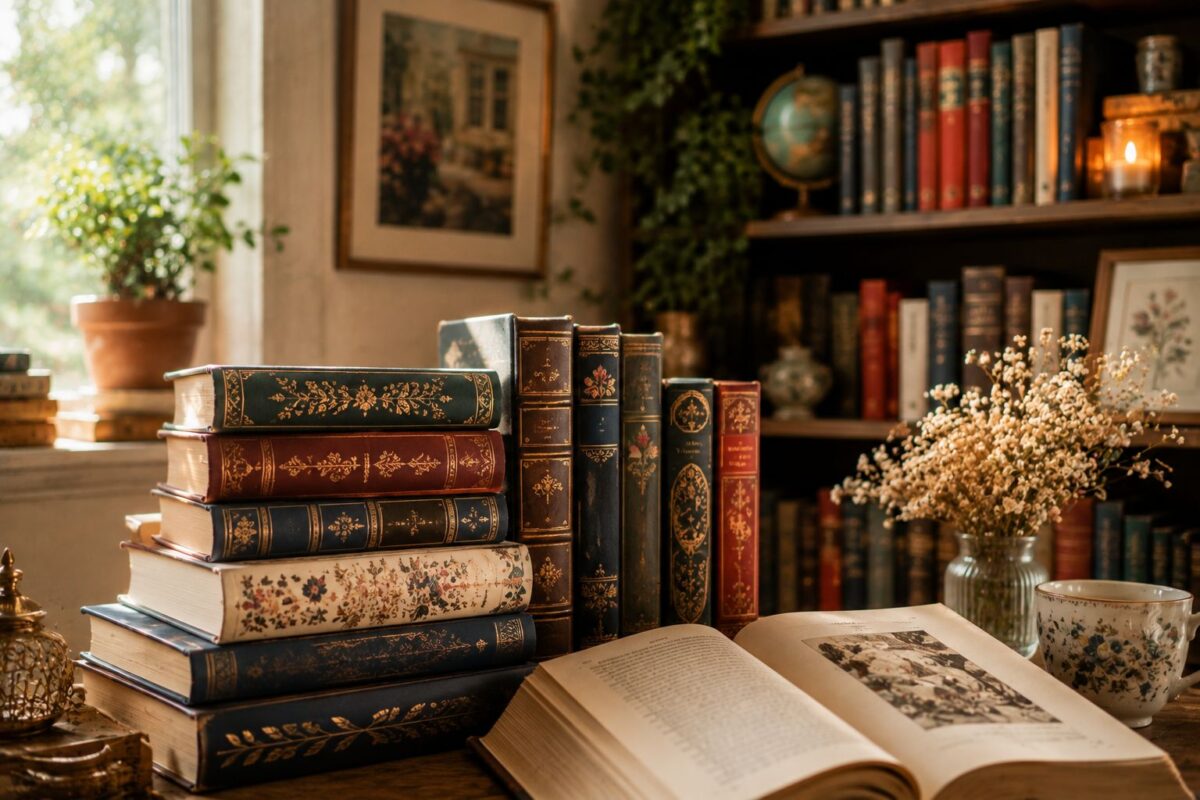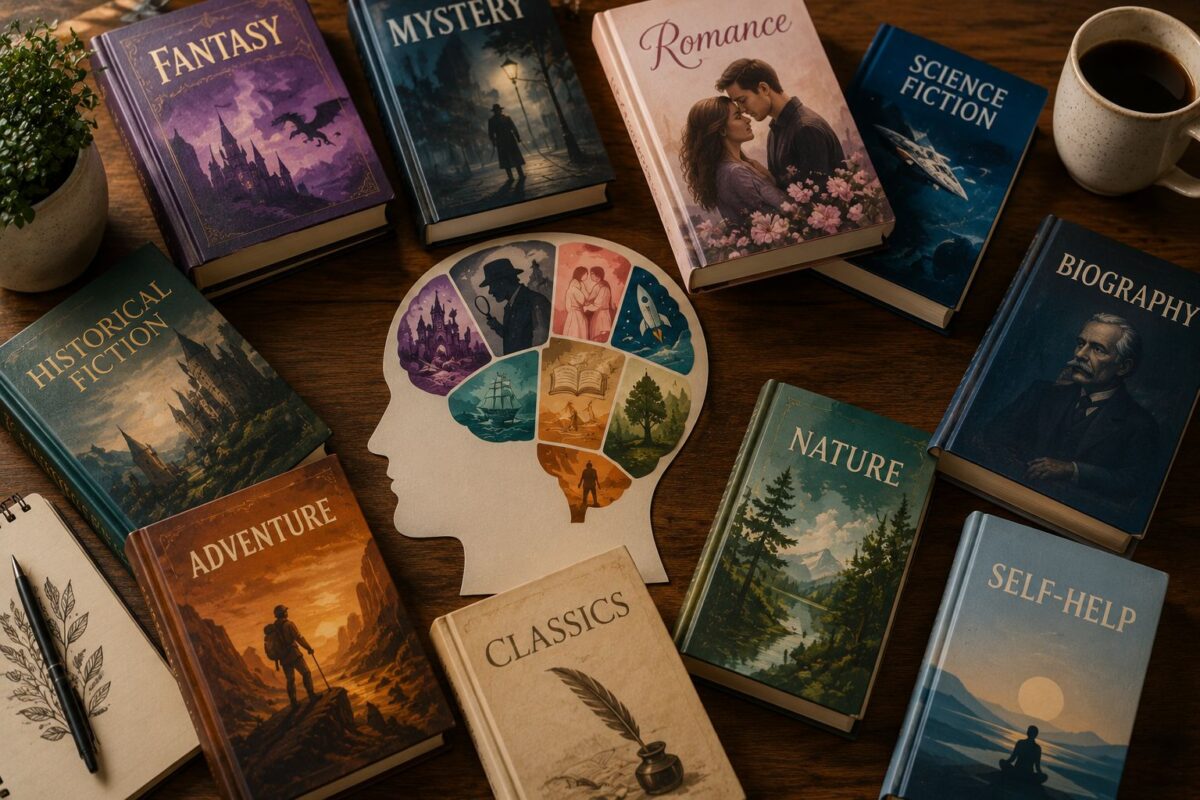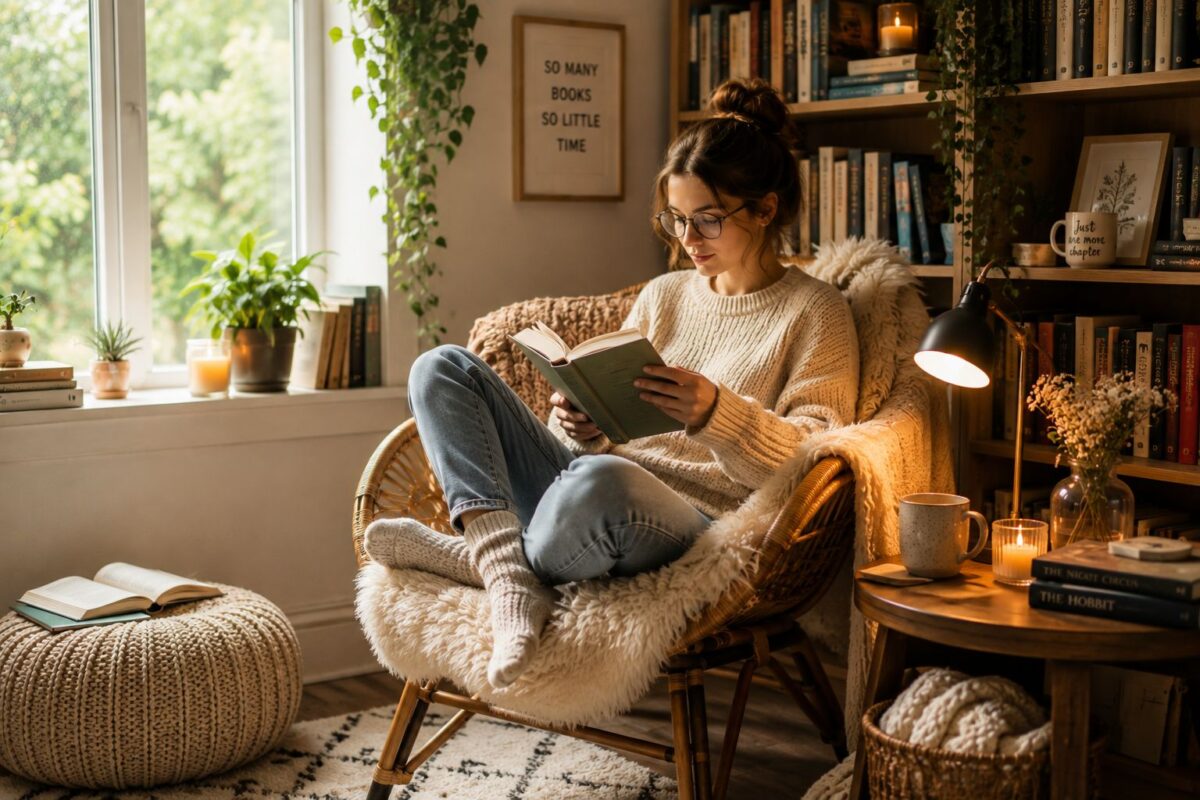


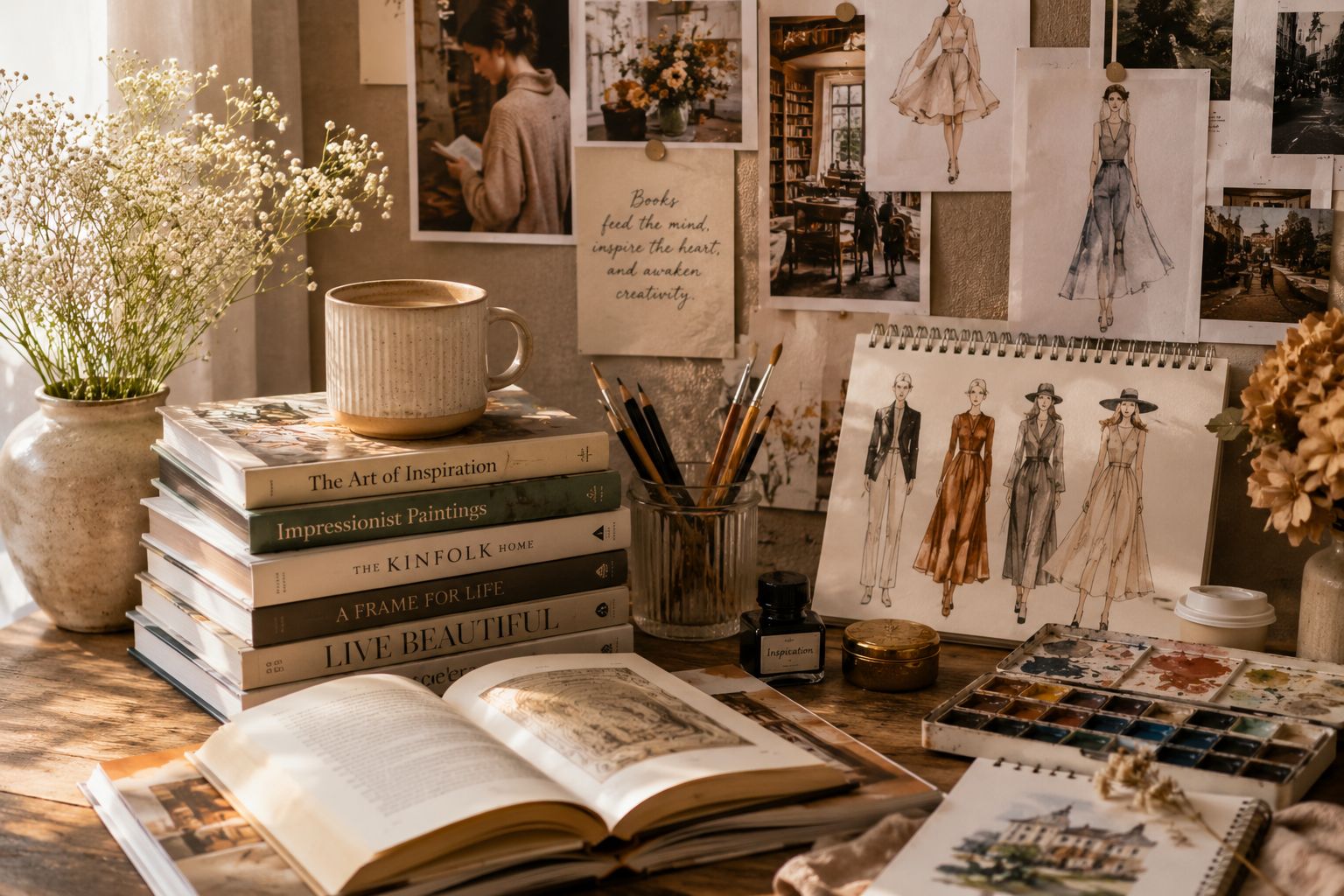
Books have always been more than collections of words on paper. They capture emotions, preserve history, introduce unforgettable characters, and spark ideas that often extend far beyond their pages. For centuries, literature has influenced artists, designers, musicians, filmmakers, and everyday creators. Even today, books continue to shape the way we decorate our homes, express ourselves through fashion, and find inspiration in daily life.
The Endless Power of Storytelling
Every great story begins with imagination.
Whether it’s an epic fantasy, a timeless classic, or a heartfelt romance, books encourage readers to picture entire worlds in their minds. These imagined landscapes, characters, and emotions often become the foundation for creative expression in many forms.
Artists paint them.
Designers reinterpret them.
Readers carry them into their everyday lives.
Stories never truly end when the final page is turned—they continue through creativity.
Literature Has Inspired Artists for Centuries
Throughout history, literature has served as one of the greatest sources of artistic inspiration.
Many famous paintings, sculptures, and illustrations were inspired by:
- Classic novels
- Ancient mythology
- Poetry
- Fairy tales
- Historical literature
- Folklore
Illustrators continue to breathe life into beloved stories, creating artwork that allows readers to experience familiar books from entirely new perspectives.
Fashion Often Begins With a Story
Fashion is another form of storytelling.
Many designers draw inspiration from literature when creating collections, choosing colors, textures, and silhouettes that reflect the mood of a particular story.
Examples include:
- Dark gothic styles inspired by classic horror novels
- Romantic floral designs influenced by Victorian literature
- Celestial themes inspired by fantasy adventures
- Cottagecore aesthetics rooted in pastoral storytelling
- Vintage styles celebrating old libraries and antique books
Clothing becomes more than something we wear—it becomes a way to express the stories that resonate with us.
Books Inspire Everyday Creativity
Creative inspiration isn’t limited to professional artists.
Readers often discover new ideas through books that influence their everyday lives.
Books inspire people to:
- Start journals
- Learn calligraphy
- Paint and draw
- Photograph nature
- Write poetry
- Create handmade crafts
- Decorate reading spaces
- Explore new hobbies
Sometimes a single paragraph can inspire an entirely new project.
The Beauty of Visual Storytelling
Beautiful book covers, vintage illustrations, and carefully designed typography have become art forms in their own right.
Readers are often drawn to:
- Decorative book covers
- Botanical illustrations
- Celestial artwork
- Vintage maps
- Handwritten manuscripts
- Antique library aesthetics
These visual elements continue to influence everything from home décor to graphic design.
Reading Expands Creative Thinking
Books introduce ideas we may never encounter in everyday life.
By exploring unfamiliar places, cultures, and perspectives, readers naturally become more curious and open-minded.
Creative thinking grows when we:
- Imagine different possibilities
- Ask meaningful questions
- See problems from new angles
- Connect unrelated ideas
- Explore unfamiliar experiences
Reading encourages flexible thinking that benefits both creative and practical pursuits.
Why Readers Often Become Creators
Many writers began as passionate readers.
The same is true for painters, filmmakers, photographers, and designers.
Reading exposes us to different storytelling styles, emotional experiences, and artistic techniques that gradually shape our own creative voices.
Books remind us that creativity doesn’t require perfection—it simply begins with curiosity.
Books Connect Generations
One remarkable quality of literature is its ability to remain relevant across time.
Stories written decades—or even centuries—ago continue to inspire modern audiences.
Classic literature still influences:
- Contemporary fashion
- Interior design
- Film and television
- Digital illustration
- Music
- Photography
- Graphic design
Great stories never lose their ability to inspire.
Bringing Literary Inspiration Into Everyday Life
You don’t need to be an artist to surround yourself with creativity inspired by books.
Simple ideas include:
- Create a cozy reading corner.
- Display favorite books as décor.
- Keep a reading journal.
- Visit local libraries or bookstores.
- Explore classic literature.
- Sketch scenes from your favorite novels.
- Photograph beautiful reading moments.
- Decorate with vintage maps, botanical prints, or literary quotes.
Creativity often begins with small moments.
Creativity Grows Through Reading
Reading encourages us to slow down and observe the world differently.
A beautiful sentence may inspire a painting.
A memorable character may spark a new illustration.
A quiet scene in a novel may encourage someone to redesign their living space or start writing their own story.
Books don’t simply entertain—they expand the imagination.
Final Thoughts
Books have inspired human creativity for generations, and their influence continues to grow in today’s world. From art and fashion to photography, home décor, and everyday design, literature encourages us to see beauty in ordinary moments and imagine new possibilities.
Every story we read becomes part of our own creative journey. Whether through a painting, a sketchbook, a thoughtfully decorated reading nook, or simply a new way of seeing the world, the ideas found in books continue to live on long after the final chapter.
The next time you open a book, remember that you’re not just reading a story—you may also be discovering the inspiration for your next creative adventure.
Key Takeaways
- Books inspire creativity across art, fashion, design, and everyday life.
- Literature encourages imagination and fresh perspectives.
- Reading helps develop creative thinking and curiosity.
- Great stories continue to influence modern culture across generations.
- Creativity often begins with a single idea found within the pages of a book.
- Every reader has the potential to become a creator in their own unique way.